
Ford Transit Custom vs Volkswagen Transporter (T6.1)
This page compares the Ford Transit Custom L1H1 with the Volkswagen Transporter (T6.1) L1H1. Choose any other size of either below. The Volkswagen Transporter (T6.1) is 146 mm6 in shorter, 7 mmunder 1 in taller and 128 mm5 in narrower than the Ford Transit Custom. The Volkswagen Transporter (T6.1) has 30 mm1 in less load length at the floor and a wheelbase 100 mm4 in shorter.
VanCAD models the Ford Transit Custom in 2 sizes (L1H1, L2H1), from 5,050 mm16 ft 7 in to 5,450 mm17 ft 11 in long and 1,981 mm6 ft 6 in to 1,983 mm6 ft 6 in tall, with front-wheel drive. VanCAD models the Volkswagen Transporter (T6.1) in 3 sizes (L1H1, L2H1, L2H2), from 4,904 mm16 ft 1 in to 5,304 mm17 ft 5 in long and 1,990 mm6 ft 6 in to 2,477 mm8 ft 2 in tall, with front-wheel drive. The Ford Transit Custom is also sold as the Volkswagen Transporter (T7).
Side profiles at one scale
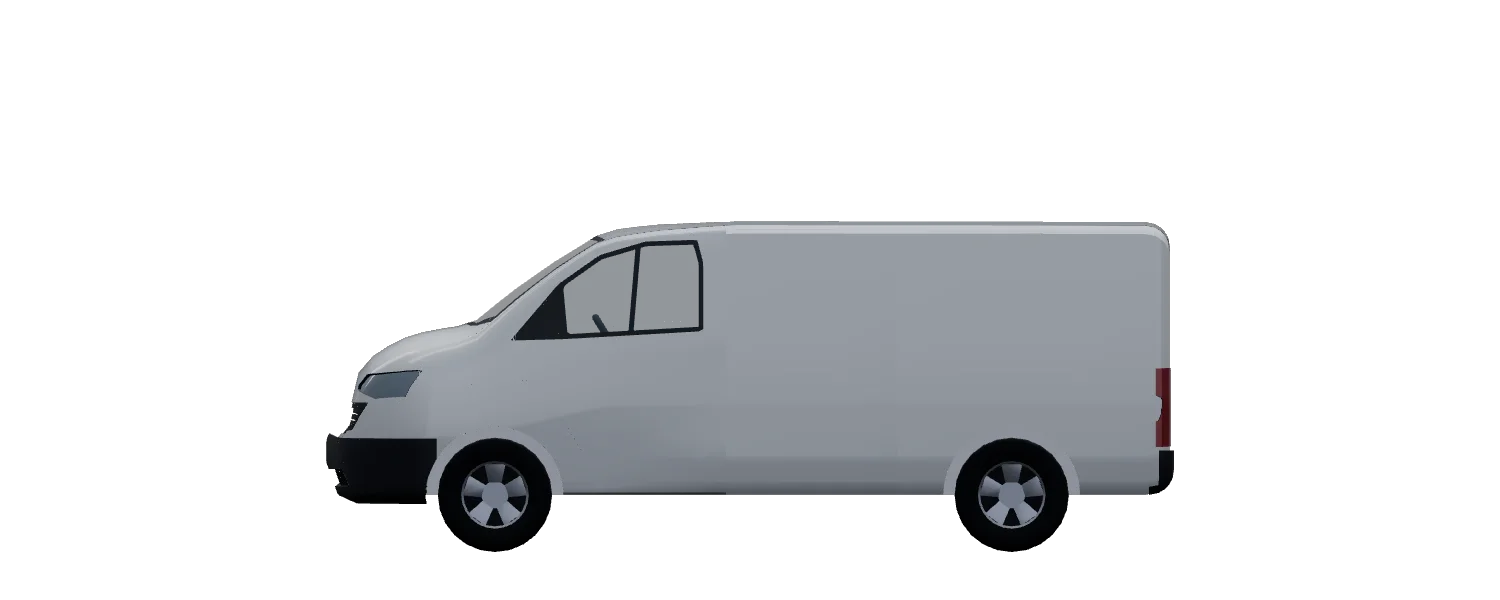
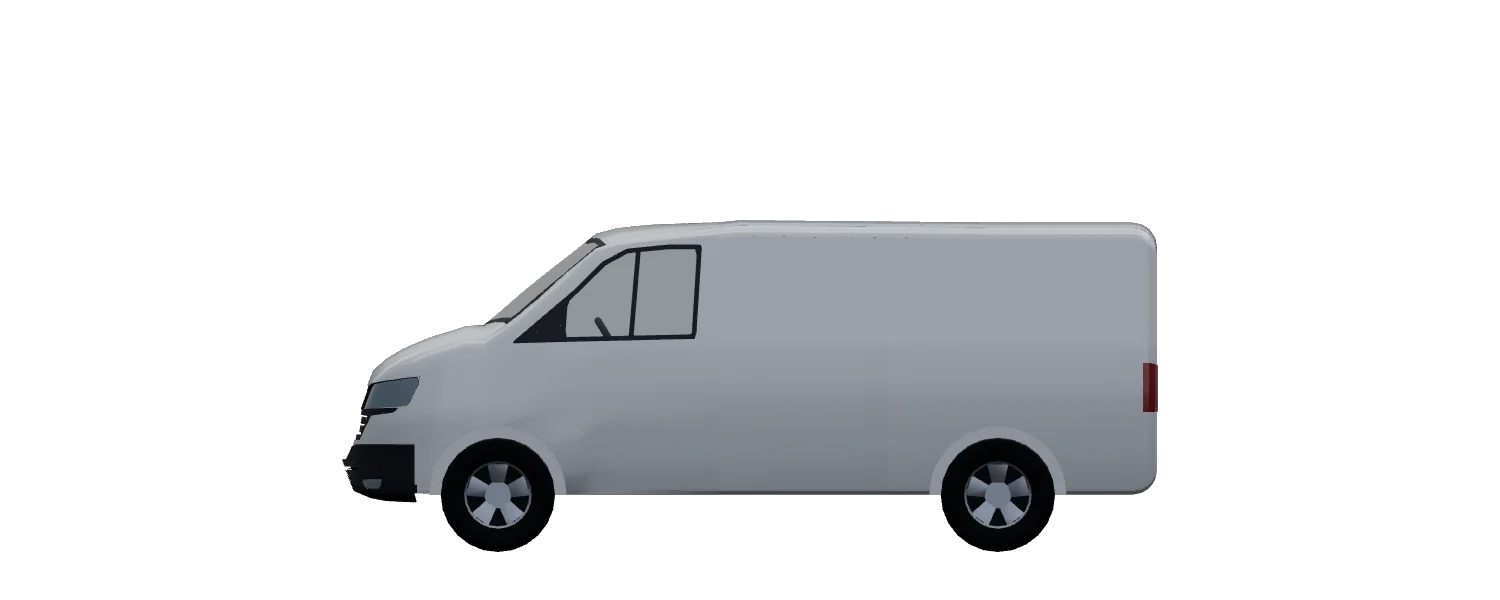
- Ford Transit Custom L1H1
- Volkswagen Transporter (T6.1) L1H1
- Both
Lined up at the rear doors. The drawings leave off the rear bumper, so this is the line the load space ends at.
Drawn from VanCAD's 3D models at one scale, with the ground lines level. The figures in the table are the manufacturers' published ones: read a measurement from the table, not the picture.
The published figures
| Measurement | Ford Transit Custom L1H1 | Volkswagen Transporter (T6.1) L1H1 | Difference |
|---|---|---|---|
| Overall length | 5,050 mm16 ft 7 in | 4,904 mm16 ft 1 in | 146 mm shorter6 in shorter |
| Overall width (excluding mirrors) | 2,032 mm6 ft 8 in | 1,904 mm6 ft 3 in | 128 mm narrower5 in narrower |
| Overall height | 1,983 mm6 ft 6 in | 1,990 mm6 ft 6 in | 7 mm tallerunder 1 in taller |
| Wheelbase | 3,100 mm10 ft 2 in | 3,000 mm9 ft 10 in | 100 mm shorter4 in shorter |
| Rear overhang | 992 mm3 ft 3 in | 996 mm3 ft 3 in | 4 mm longerunder 1 in longer |
| Ground clearance | -- | 180 mm0 ft 7 in | -- |
| Side door opening | 1,030 mm3 ft 5 in | 1,020 mm3 ft 4 in | 10 mm narrowerunder 1 in narrower |
| Load length at floor | 2,602 mm8 ft 6 in | 2,572 mm8 ft 5 in | 30 mm shorter1 in shorter |
| Maximum internal load width | 1,777 mm5 ft 10 in | 1,700 mm5 ft 7 in | 77 mm narrower3 in narrower |
| Maximum internal load height | 1,433 mm4 ft 8 in | 1,410 mm4 ft 8 in | 23 mm lower1 in lower |
| Load floor height | 585 mm1 ft 11 in | 568 mm1 ft 10 in | 17 mm lower1 in lower |
| Kerb weight (approximate) | 1,893 kg4,173 lb | 1,884 kg4,154 lb | 9 kg lighter19 lb lighter |
| Gross vehicle weight (example rating) | 3,225 kg7,110 lb | 2,800 kg6,173 lb | 425 kg less937 lb less |
| Payload (approximate) | 1,332 kg2,937 lb | 916 kg2,019 lb | 416 kg less918 lb less |
| Drive | Front-wheel driveFront-wheel drive | Front-wheel driveFront-wheel drive | SameSame |
| Design this van | Design this van |
The difference column reads the Volkswagen Transporter (T6.1) L1H1 against the Ford Transit Custom L1H1: "longer" means the Volkswagen Transporter (T6.1) L1H1 is the longer of the two.
More comparisons
Other comparisons with the Ford Transit Custom or the Volkswagen Transporter (T6.1).
- Volkswagen Transporter (T6.1) vs Volkswagen Transporter (T7)
- Renault Trafic vs Volkswagen Transporter (T6.1)
- Toyota HiAce vs Volkswagen Transporter (T6.1)
- Vauxhall Vivaro vs Volkswagen Transporter (T6.1)
- Opel Vivaro vs Volkswagen Transporter (T6.1)
- Nissan NV300 vs Volkswagen Transporter (T6.1)
- Nissan Primastar vs Volkswagen Transporter (T6.1)
- Fiat Talento vs Volkswagen Transporter (T6.1)
- Ford Transit Custom vs Renault Trafic
- Ford Transit Custom vs Toyota HiAce
- Ford Transit Custom vs Vauxhall Vivaro
- Ford Transit Custom vs Opel Vivaro
How to read these figures
Kerb weight (curb weight in North America) is the unladen mass in running order (all fluids, a 90% full fuel tank and a 75 kg driver), for a base-specification panel van. It is researched and approximate: a real van with options fitted will weigh more, and VanCAD lets you edit the figure on your own design.
Gross vehicle weight is the maximum permitted total weight of the loaded van. Approximate payload is the example gross weight shown above minus our researched kerb weight. The kerb weight already includes a 75 kg driver. The remaining allowance covers the conversion, other occupants, water and luggage, plus any driver weight above 75 kg. Weight ratings, engines and options vary; check your own vehicle's weight plate and axle limits. A converted van's real remaining allowance comes from a weighbridge, weighed ready to travel.
Load length is the manufacturer's published floor length behind the bulkhead, measured at floor level in the bare van. Lining, battens and a false floor all take from it, and the figure says nothing about the height or width available above it.
Interior figures are the manufacturer's published load length at floor, maximum internal load width and maximum internal load height, where available. These are before conversion: lining, insulation and flooring reduce usable space, and maximum dimensions do not apply everywhere inside the van. Check your own vehicle before cutting or building. VanCAD's traced interior shapes are illustrative and are never used as published measurements.
VanCAD models the mainstream panel van bodies and drive layouts for each van, not every factory option. A maker may also sell four-wheel-drive, chassis-cab or crew-van versions that are not listed here, so anything on this page about which layouts a van comes in describes the versions VanCAD offers rather than the maker's full range.
Will your layout fit?
Open either van in the browser, place a bed, a kitchen and a shower at real millimetre sizes, and read back the weight you have added. Free, with no install.